 (260) 445-4034
 info@curbscapefw.com
Choosing summer plants can feel simple until June heat, clay soil, and sudden storms start testing every bed in the yard. In Fort Wayne, IN, during June, yards are entering their warmest growing stretch, so plant choices need to handle sun, humidity, and the occasional heavy rain. Homeowners in Auburn, IN often deal with similar weather, so the right mix should look good and be practical for everyday care. This blog walks through plants that fit real Indiana yards, so the next landscaping update feels easier to picture before the digging starts.
Best Landscaping Choices That Fit Indiana Summer Heat And Soil
Outdoor Living Spaces Need Plant Zones
Good landscaping starts with where people actually walk, sit, and look out from the house. A plant that works near a front walk may not be right beside a patio where chairs scrape against the bed edge. Around outdoor living spaces, plants should have a full look without spilling over walkways every week. In the Indiana summer heat, purple coneflower, black-eyed Susan, salvia, and catmint are useful because they bring color without being fragile. The current hardiness map places this area in zone 6a, which helps narrow plant choices that can return after winter, too.
Yard function matters just as much as flower color. A yard in Fort Wayne, IN, may need tougher border plants along a driveway than it needs near a back porch. That is why landscaping should be planned around daily use first, then color second. In full sun, daylilies, coneflowers, and black-eyed Susans can handle the heat while giving beds a full-summer look. Near a patio, shorter plants like catmint or coral bells help soften edges without taking over the space. This works well for busy homeowners who want beauty without constant work.
Planting Plans For Sun And Shade
For shaded landscaping beds, the best plants are usually those that can handle root competition and receive less afternoon sun. Hosta, coral bells, foamflower, and sedge can make a shaded side yard feel cared for without needing the same color pattern as a sunny bed. A planting plan should also consider how water moves after a storm, because low spots can stay damp while raised edges dry out quickly. If the soil is heavy clay, plants with strong root systems usually do better than delicate annuals that want perfect conditions. This is where a custom design helps, since one yard can have several small climates within the same property.
Sunny beds give homeowners more color choices, but they also show stress faster when June turns hot. The best landscaping plan uses taller flowers where they can be seen, then smaller plants at the front where they will not flop onto a walkway. Bee balm, garden phlox, butterfly weed, and purple coneflower can bring summer color while also helping pollinators. For drier corners, little bluestem or prairie dropseed can add movement without needing heavy care. A mix like this feels natural because every plant has a job, rather than being chosen only because it looked nice at the nursery.
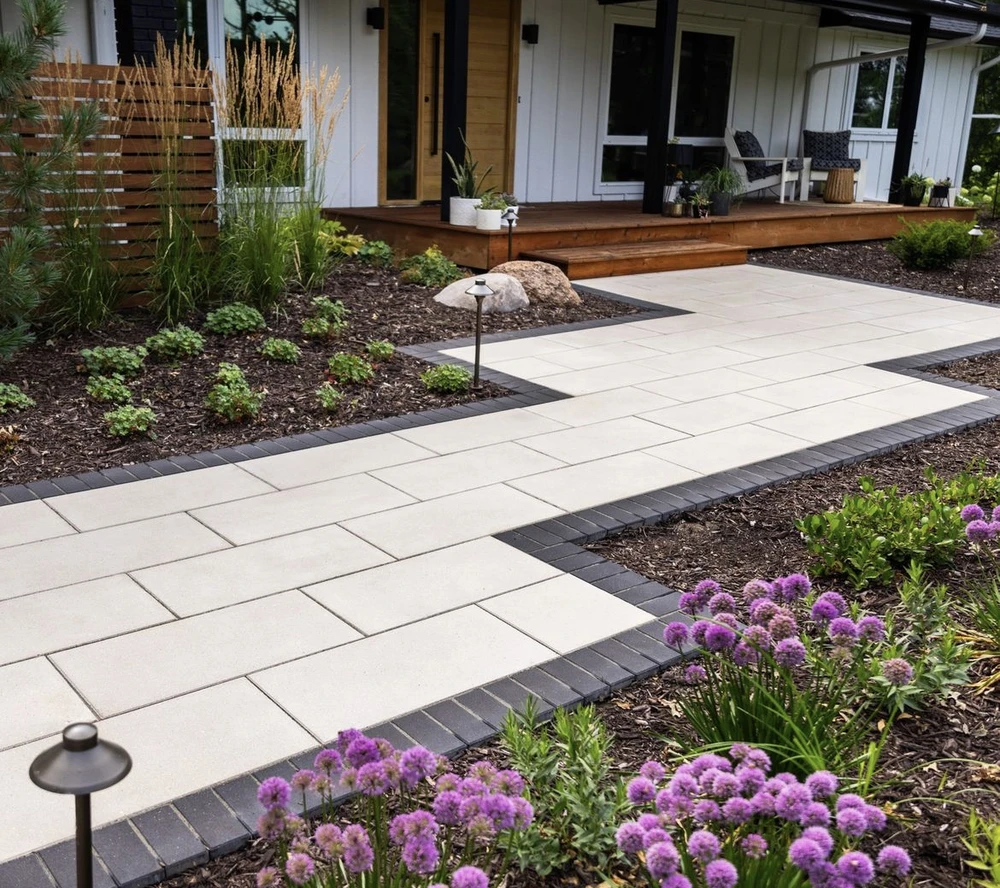
Colorful Landscaping Plants That Hold Up In July Weather
Native Perennial Planting Adds Color
Some of the best summer color comes from plants that already fit Indiana’s weather patterns. For color, landscaping beds can use purple coneflower, butterfly weed, black-eyed Susan, garden phlox, and bee balm in sunny areas. These plants are not all the same height, so they can be arranged to create a fuller look rather than a flat one. Coneflower and black-eyed Susan are especially useful for homeowners who want color that keeps going through the heat. Butterfly weed likes good drainage, so it should not be tucked into a soggy low spot. Garden phlox can look beautiful, but it needs airflow around the leaves to reduce the risk of mildew.
Grasses are easy to overlook because they do not always have the first bright flower at the garden center. But little bluestem, prairie dropseed, and switchgrass can give summer beds shape when flowers are between bloom cycles. This type of landscaping works especially well near outdoor living spaces because grasses can frame a view without blocking it. They also help a bed look finished after early summer flowers fade. The main thing is placement, since switchgrass can get larger than a homeowner expects. A smaller grass near the edge and a taller one toward the back usually feels more balanced.
Shrubs Around Outdoor Living Spaces
Shrubs give landscaping beds a sense of structure that perennials cannot always provide on their own. Homeowners in Auburn, IN, also benefit from this layout when they want a yard that looks well-kept even before the flowers open. Smooth hydrangea, oakleaf hydrangea, ninebark, serviceberry, and Virginia sweetspire can work well when the site fits their light and soil needs. Hydrangeas often prefer some relief from harsh afternoon sun, especially near reflective patios or walls. Ninebark is helpful for areas that need a tougher shrub with good leaf color. Serviceberry can be a nice choice for a homeowner who wants spring flowers, summer greenery, and a small-tree feel.
When shrubs frame outdoor living spaces, mature size matters more than the size on the nursery tag. A small shrub in a pot can look harmless, but several years of growth can block windows or crowd a walkway. In landscaping design, spacing is not empty waste; it is room for the plant to become what it was chosen to be. This is also why shrubs should be paired with perennials that can fill the front of the bed without completely hiding the shrub base. If the yard has a patio or fire pit, shrubs can help create a sense of enclosure without making the area feel boxed in. The result is a more comfortable yard that is still easy to maintain.
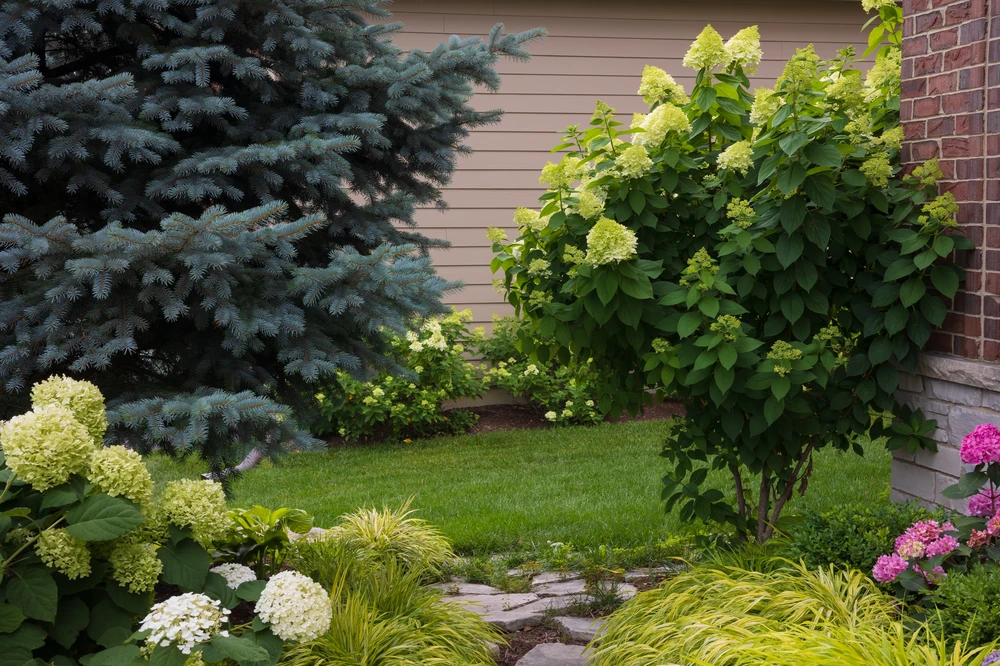
Practical Landscaping Care For Healthy Summer Plant Beds
Planting Habits That Help Roots
Summer landscaping can look strong in June and still struggle by late July if the first care steps are skipped. Planting in groups is often better than dotting single flowers across a bed, because grouped plants shade the soil and make watering easier. New plants need deeper watering at the roots rather than a quick sprinkle on the leaves. Mulching helps hold moisture and keeps soil temperatures more even during hot spells. It also gives beds a finished look while reducing weed growth, even though plants need help during their first season, especially after a stretch of dry days.
Depth is another detail that can decide whether a plant settles in or slowly declines. If planting depth is too deep, the crown can stay wet and rot, especially in heavy soil after a summer storm. If it is too shallow, roots dry out faster, and the plant may never anchor well. Homeowners can also protect new beds by watering in the morning instead of late at night. This gives leaves time to dry and helps reduce disease pressure. It may seem like a small detail, but it can be the difference between plants that survive and plants that keep needing replacement.
Water, Mulch, and Outdoor Living Spaces
A landscaping bed holds up better when water has somewhere to go. Indiana storms can drop a lot of rain at once, and beds near downspouts or low-lying lawn areas may stay soggy longer than expected. Before adding plants, the grade should be adjusted to move water away from the house and from plant crowns. Concrete curbing can help define bed edges, but drainage still has to be handled underneath and around the bed. Good edging also makes mowing easier, which matters when summer growth gets fast. The goal is not only a pretty bed, but a bed that works with the property.
Choosing the right plants is only part of the project. A good bed also needs room for growth, a safe walking space, and a clear purpose in the yard. A front entry bed may need lower plants so guests can see the walkway, while a backyard border may need taller shrubs for privacy. If children, pets, or guests use the yard often, plant placement should support how the space is actually used. This is where a customized design can make the yard feel more useful rather than just more decorated. The best plant choices are the ones that fit the family, the soil, and the amount of care the homeowner wants to give.
Conclusion
Now that you know which plants can handle Indiana summer heat, it becomes much easier to picture a yard that looks beautiful and still makes sense for daily life. The right mix of flowers, grasses, and shrubs can add color, guide foot traffic, frame patios, and make the space feel more complete. At Curbscapes, we build customized designs that help your yard function better, and we take pride in showing up and finishing projects on time. We can help choose plant beds, edges, and layout details that fit how you actually use your outdoor space. Contact us today to talk about your next yard project, and we will be happy to help you plan it.

