 (260) 445-4034
 info@curbscapefw.com
Planning new plant beds can feel exciting, especially when a yard is finally getting the shape and color a homeowner has been wanting. In Huntertown, IN, August can bring hot afternoons, dry soil, and new plants that need more careful watering than people often expect. But before the first shrub, ornamental grass, or tree goes into the ground, irrigation installation should be part of the plan. This blog will explain why planning water first can protect new landscaping and help the whole yard feel easier to care for.
Irrigation Installation Sets New Plant Roots Up Well
Landscaping Soil Needs Water Planned Early
New plants do not just need water on top of the soil. They need moisture where the young roots are trying to grow, which can be harder to manage when a homeowner is only using a hose after everything is planted. When irrigation is installed before planting, water can be directed closer to the root zones rather than sprayed wherever it happens to reach. This matters even more in fresh beds because loose soil can dry out faster during warm weather. A well-planned system also helps different plant areas get different amounts of water, since a young hydrangea and a row of ornamental grasses may not need the same care.
This is where early planning saves a lot of future frustration. If a yard is already planted, crews may need to work around stems, mulch, edging, and tender roots. That can make the work slower and may disturb areas that were just finished. It is much easier to place lines, spray heads, or drip tubing when the bed layout is still open. Homeowners also get a cleaner final look because the watering parts can be tucked into the design instead of added afterward.
Hardscaping Cuts And Beds Need Clear Lines
A new yard often has more than plants going into it. There may be paver walkways, sitting areas, border stones, or steps that all need to be connected to the planting plan. A clean irrigation installation helps protect those edges because the watering layout can be placed before heavier materials are fully finished. If the system is added later, crews may need to cut under paths or work too close to finished surfaces. That is not what most homeowners want after investing in a polished outdoor space.
It also helps when the yard includes spaces for daily use. Maybe the family wants a small patio, a fire feature, or an outdoor kitchen near the back door. Water lines should not be placed as an afterthought around those areas because people still need clear walking space, useful planting beds, and equipment that can be repaired later. Good planning keeps the pretty parts and the practical parts from fighting each other. It makes the finished yard feel like everything belongs there from the start.
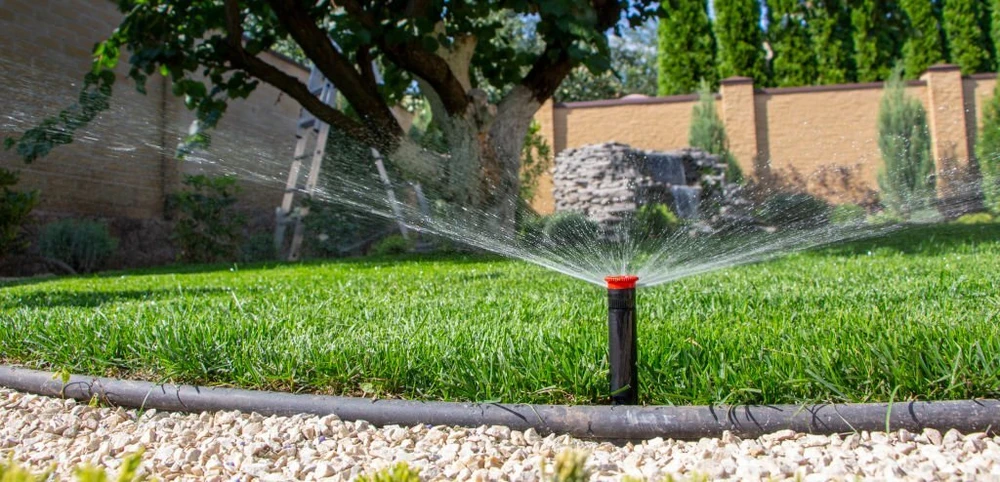
Irrigation Installation Protects August Planting Work
Landscaping Faces Heat After Planting
August planting can be tough because the soil can stay warm long after the sun goes down. In Huntertown, IN, new plants may look fine in the morning and then show stress by late afternoon if the water is not reaching deep enough. Irrigation installation gives a homeowner more control during those first weeks, when roots are still small and cannot pull moisture from a wider area. This does not mean plants should be flooded every day. It means the watering plan can be matched to the plant type, soil, sun exposure, and the way water moves through the bed.
This is especially helpful for busy homeowners who do not want to guess every evening after work. A hose can work for a small area, but it is easy to miss corners, overwater one section, and underwater another. Mulching can help hold moisture near the soil surface, but it should support the watering plan instead of replacing it. With irrigation installation in place, the bed has a better chance of staying even while the plants settle in. That can make the difference between plants that slowly take off and plants that struggle before fall even arrives.
Hardscaping Areas Can Change Water Flow
Patios, walkways, retaining walls, and curbing can all change how water moves across a yard. When those pieces are added, water may run to a low spot, collect near a foundation, or skip over planted areas that need it most. Irrigation installation should be reviewed with the full yard layout so watering does not create puddles or dry strips. It is not only about putting heads in the ground. It is about understanding where water should go, where it should not, and how the finished space will be used.
Homes around Auburn, IN, can have yards with open sun, mixed shade, and soil that dries differently from one side to the other. That is why a one-size setup can feel convenient at first but disappointing later. The goal is not to water everything the same amount. The goal is to give each zone what it needs without wasting water on pavement, walls, or spots where people sit and walk. A smart watering layout can also help protect hardscaping from extra moisture that may cause staining, shifting, or soil washout along the edges.
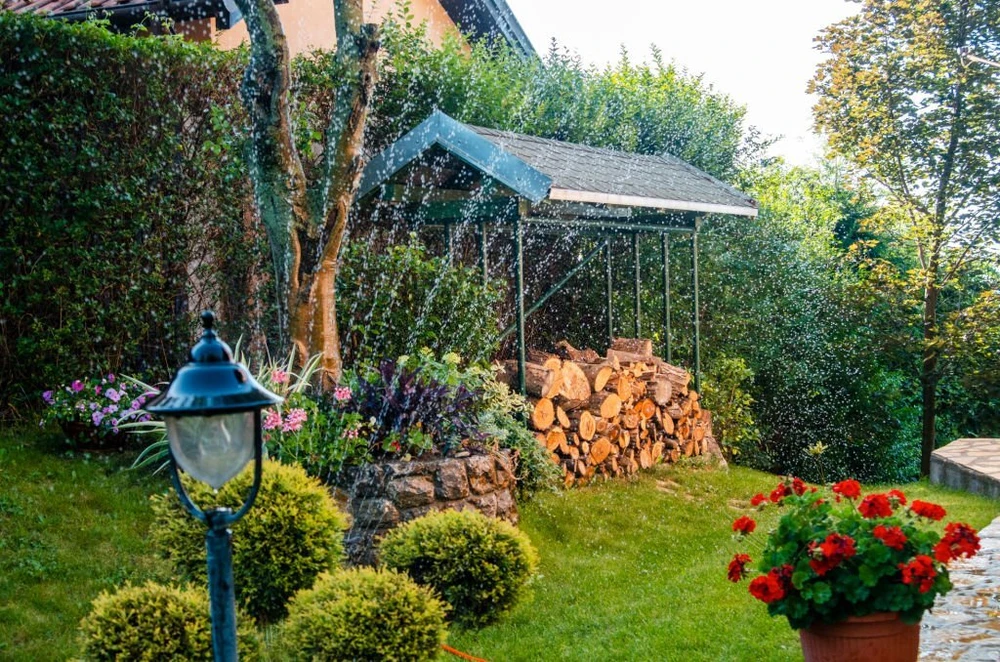
Irrigation Installation Helps The Whole Yard Work Better
Landscaping Beds Need Room For Care
A yard should not only look good on the first day it is finished. It should also be easy enough to care for once the work crews leave and the homeowner starts living with it. Irrigation installation helps by giving each bed a more stable base before shrubs, flowers, and trees start filling in. The best time to think about access is before plants grow wide and cover the areas where repairs may be needed. This can make maintenance less stressful later, especially when seasons change, and the yard needs cleaning, trimming, or fresh mulching.
Good landscaping is not just about choosing attractive plants. It is about placing them where they can grow well and still fit the home, the soil, and the family’s schedule. A customized watering plan can support that because sunny beds, shaded beds, and narrow side-yard beds can all be handled differently. Irrigation installation also helps homeowners avoid the common mistake of planting first and then realizing the watering system does not reach the most important spots. When the water plan and plant plan work together, the yard feels more comfortable to manage.
Hardscaping Plans Should Leave Access
Hardscaping can add a lot of value to a yard, but it also needs to be planned with service access in mind. If a patio, seat wall, or walkway blocks the easiest path to a valve box or line, future repairs may be more difficult than necessary. Irrigation installation should be mapped before those features are locked into place. That way, the parts that may need inspection can remain accessible without detracting from the look of the finished yard. It is a small detail during planning, but it can matter a lot years later.
Auburn, IN, homeowners who are planning larger backyard updates should think about how the yard will be used in real life, not only how it will look in a design photo. Kids may run through the lawn, guests may gather near a patio, and garden beds may need seasonal care. If irrigation installation is planned around those habits, the system can support the yard instead of getting in the way. It can also help homeowners avoid watering chairs, pavement, or cooking spaces when the real goal is healthy soil and strong plants. This is where a customized design can make the whole space feel more useful.
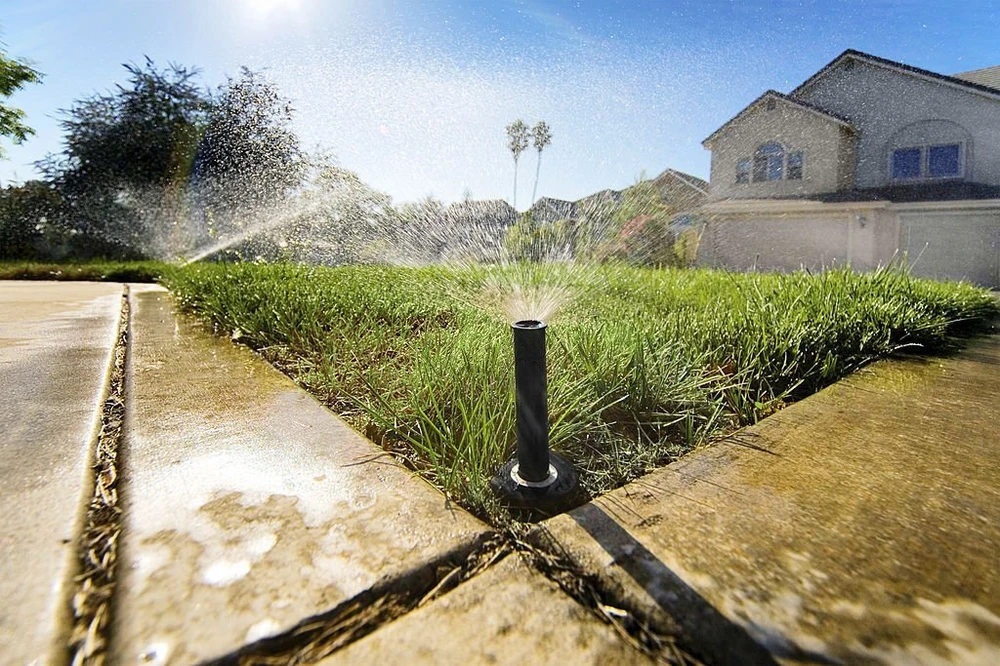
Conclusion
Before new plants go into the ground, water should already have a place in the plan. A well-timed irrigation installation can protect new roots, work around finished surfaces, and make the yard easier to care for through August heat and beyond. At Curbscapes, we create customized designs, focus on how each yard should function, and work hard to deliver projects on time for our customers. If you are planning new plants, beds, or a larger yard update, we can help you think through the details before the first shovel hits the soil. Contact us today, and we will be happy to help you plan a landscape that feels beautiful, useful, and built for your home.

